Commercial Waste in Baldock
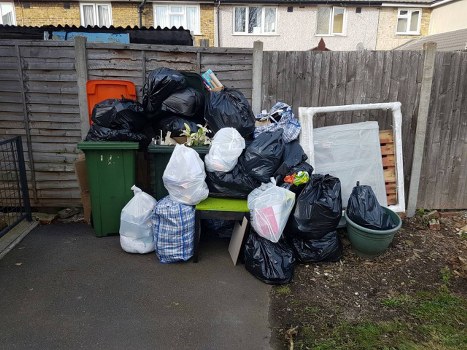
Commercial waste in Baldock needs a practical, well-organised service that keeps business premises clear without turning waste handling into a distraction. We collect mixed trade waste, recyclable materials and bulky items from shops, offices, hospitality sites and other commercial premises, with a focus on orderly removal and responsible disposal. The aim is straightforward: help businesses deal with day-to-day waste streams in a way that supports clean working spaces and sensible onward processing.
Our commercial waste removal work can cover routine clearances, occasional bulk collections and the sorting of material into appropriate streams where that is useful. We are also able to support organisations that produce changing volumes of waste, such as during refurbishments, stock changes or seasonal trading periods. If you need a service that is more flexible than a bin-only arrangement, the business waste removal page gives a useful overview of the main options.
For customers comparing disposal routes, it can help to think first about the type of material, then the access to the premises, and finally the collection frequency that fits the site. Clear instruction at the outset makes the work more efficient, especially where waste is spread across storerooms, yards or upper floors. If you want to discuss a specific site, a simple quotation request is the best place to start.
What our commercial waste service covers
Commercial waste collections are usually about much more than just lifting bags away. Business premises often generate paper, cardboard, packaging, office furniture, broken fixtures, shelving, mixed non-hazardous waste and redundant equipment that needs sensible handling. A useful service takes account of what is present, how it is stored, and whether any items should be separated before loading. That approach helps reduce unnecessary handling and keeps the process more orderly from start to finish.
When waste is mixed, the collection plan should still remain calm and structured. A clear load can be created from loose items, bagged waste and larger objects if the material is identified correctly before removal. Where a site has regular turnover, the service can be matched to the pace of operations so that collections remain manageable. Businesses that want a broader view of accepted materials and sorting practices may also find the waste removal page helpful.
We do not treat every job as identical, because one site may need only a few bags cleared while another may include heavy items, confidential papers or broken fittings. The right approach depends on access, volume and the nature of the waste. In many commercial settings, the simplest outcome is the best one: a clear, usable space and materials sent onward through the appropriate route.
Office and workplace clearances
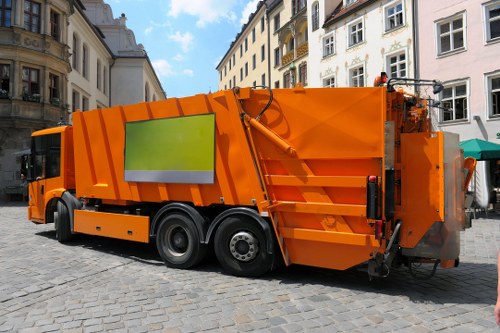
Office waste removal often involves a combination of furniture, packaging, paper waste and redundant equipment rather than a single obvious pile. Desks, chairs, filing items, storage units and general clutter can all be part of the same clearance, and each element may need a different handling method. A workplace-focused service helps keep the collection organised so that usable items, recyclable materials and general waste are dealt with in a sensible sequence.
For businesses planning a move, refurbishment or reorganisation, office clearance can be especially useful because it allows a space to be emptied without requiring the client to manage every item individually. Where there are furniture pieces that no longer fit the layout, the work may be combined with other internal clearances to reduce disruption. The office clearance page is a good next step if your enquiry mainly concerns desks, chairs or other workplace items.
Some workplaces also need a tidy method for disposing of confidential paper or out-of-date records. Those items should be treated with care and handled separately where appropriate. If your site includes locked filing rooms, archive cupboards or mixed storage areas, it is sensible to identify those details early. A short list of item types, plus access notes, can make the quotation process more precise. Good preparation is not about doing our work for us; it is about avoiding confusion and wasteful revisits.
Furniture, fixtures and bulky items
Commercial waste often includes large pieces that cannot simply be bagged or carried out with smaller rubbish. Office chairs, reception seating, shelving, cabinets, counters and similar furniture can all require different handling depending on condition, weight and placement. A practical collection service should be able to deal with mixed bulky items in a controlled way, rather than forcing the client to separate everything into multiple separate jobs. That can be especially helpful in premises where space is limited.
If your site includes outdated or damaged furniture, it may also be useful to consider whether any items can be directed toward disposal routes that suit the material type. Some businesses mainly need clearance for a single room, while others need help with a larger set of redundant furnishings after a move. For furniture-specific collections, the furniture clearance page explains the scope in a little more detail. Where the issue is disposal rather than a full clearance, the furniture disposal page may be the better match.
Bulky items can affect access, loading sequence and timing, so it helps to know where they are positioned and whether they need to be dismantled first. The more accurate the information, the easier it is to plan the work efficiently. If you are unsure which page suits your waste stream best, simply send a brief description and ask for a quotation.
Builders’ waste and trade debris
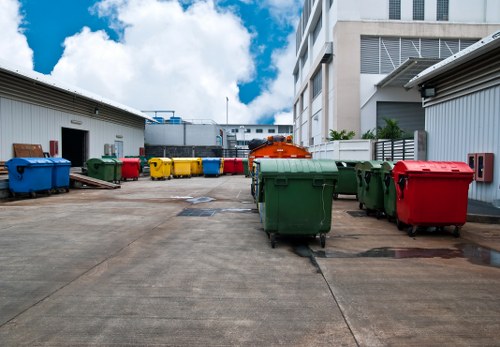
Commercial premises sometimes generate waste during repairs, fit-outs and alterations rather than from day-to-day trading alone. Builders’ waste can include timber offcuts, broken plasterboard, packaging, old fixtures, tiles, rubble and mixed debris that accumulates during improvement work. A collection service for this type of material needs to be clear about access, weight and the nature of the load, because building-related waste is often heavier and more awkward than ordinary office rubbish.
We can help with trade debris where a commercial site needs the waste gone without waiting for a prolonged clean-up cycle. That can be particularly useful after small refurbishments or phased work in occupied premises. The builders’ waste clearance page is the most relevant destination if your enquiry involves renovation waste, surface materials or dismantled fittings. If you want to understand broader waste categories first, that page can sit alongside the general service overview.
It is useful to separate structural debris from lighter loose waste if possible, because the load mix can change the collection plan. A single clear description of what has been removed from the site, plus any access restrictions, will usually be more helpful than long explanations. When the work is specified well, the collection can be arranged in a way that fits the site rather than interrupting it. Practical clarity tends to save time for everyone involved.
Recycling, sorting and disposal routes
Not all commercial waste should be treated as one mixed load if it can be sensibly separated. Cardboard, paper, metals, clean plastics, furniture and general refuse may follow different disposal or recycling routes depending on their condition and composition. A service that pays attention to sorting can support cleaner outcomes and reduce the amount of material that is handled as general waste when another route would be more suitable. That approach is especially useful for businesses producing repeat volumes.
Our work can include the collection of recyclable office and shop waste where it is already sorted, as well as mixed waste where separation needs to happen during loading. For customers who want to understand the importance of material recovery and onward processing, the recycling and sustainability page offers a useful context. The exact balance between reuse, recycling and disposal depends on what the site produces and how the waste is presented.
Where waste is not suitable for recycling, it still needs proper handling and lawful removal. The key is to avoid guessing at the process and instead identify the waste stream as accurately as possible. A business with regular packaging waste may need a different arrangement from one that mainly clears obsolete stock or broken fixtures. If you are comparing options, a concise enquiry is enough to begin.
Special materials and controlled waste
Some commercial sites generate waste that cannot be treated in the same way as ordinary office rubbish. Hazardous or specially controlled items need careful identification before any collection is arranged, because the handling requirements may differ substantially from a standard clearance. Businesses should not leave those materials mixed in with general waste, and they should avoid assuming that every removal service is suitable for every item type. Precision matters here.
Where hazardous waste is part of the brief, the correct route must be considered before the job is confirmed. That may involve separate handling, different sorting, or a narrower scope for what can be collected as part of the same visit. If your enquiry includes substances or items that need extra checks, the hazardous waste disposal page is the most appropriate place to review first. This helps keep the discussion focused on the right type of service.
Another common specialist need is the removal of appliances or fixtures that contain mixed materials and require careful loading. Refrigeration units, office kitchen appliances and similar items can be awkward to move and may not belong in ordinary waste streams. If that applies to your premises, it is worth separating those items from general clutter when you prepare the details for a quote. A little specificity at the start can avoid unnecessary back-and-forth later.
Collections for offices, stores and other premises

Commercial waste removal is often most useful when it works around the way a business actually operates. Shops may need back-of-house waste cleared without affecting trading areas, while offices may need collections arranged around staff access and building management rules. Premises with storage rooms, basements, upper floors or shared access points all benefit from a service that treats access as part of the planning rather than an afterthought. The collection process should feel orderly, not disruptive.
Different premises create different waste patterns. A retail unit might mainly produce packaging, display materials and old stock, while a professional office may need desks, paper waste and occasional appliance removal. Businesses with mixed needs can benefit from a single collection that covers several item types in one visit, provided the waste is described clearly in advance. That is why a concise enquiry, supported by a list of items and access notes, is usually the best way to begin. Please send a quotation request when you are ready.
For larger internal clearances, it is often useful to decide what should go, what should remain, and whether anything needs careful separation before the team arrives. That decision-making does not need to be complicated. A short inventory is enough in many cases, especially if the site is straightforward. If you want to organise the work in a way that keeps the interruption low, say which room or area is involved, then ask for a quote.
About Baldock
Baldock is a market town in north Hertfordshire, situated near the A505 and the railway line that links the town with larger centres across the region. Its historic core includes streets and buildings associated with its medieval origins, when it developed as a planned market settlement on an important route through the county. The town retains a recognisable centre with traditional street patterns, independent shops and civic buildings that reflect a long period of gradual change rather than rapid redevelopment. Beyond the core, later residential streets and estates show the town’s growth during the twentieth century and beyond. Baldock’s setting also places it close to the open countryside of north Hertfordshire, so the urban fabric gives way fairly quickly to fields, lanes and small pockets of green space. Local landmarks include the parish church of St Mary the Virgin, which occupies a prominent place within the town centre, and the bridge of road and rail connections that have shaped movement in and out of the area. The town also has a strong association with nearby archaeological interest, reflecting settlement in the wider landscape over a long period. Taken together, Baldock presents a compact town character with a historical centre, practical modern infrastructure and a surrounding rural context that remains visible at the edges of everyday life.
Pricing, planning and useful next steps
Quotation details are usually clearest when the waste type, quantity and access conditions are described in plain language. For commercial jobs, price factors can include the amount of material, the labour needed to move it, the level of sorting required and whether any items need special handling. If waste is spread across several rooms or levels, that can also affect the way the work is organised. A focused enquiry makes it easier to match the service to the site without adding unnecessary complexity.
There is no need to overstate the job to make it sound more urgent. Instead, note the main items, any unusually heavy pieces, and whether parking, loading access or internal lift use may matter. If you are comparing this service with other removal options, the pricing and quotes page may help you understand how enquiries are usually handled. For customers who prefer a direct booking route rather than a longer discussion, the book online page is also available.
When you are ready, send the essential details and ask for a quotation. If the waste includes confidential, fragile or awkward items, mention that as well so the collection can be planned sensibly. We will use the information you provide to shape a practical response, not to burden you with unnecessary steps. Start with the basics, then let the service be matched to the load.
Commercial waste support for different item types
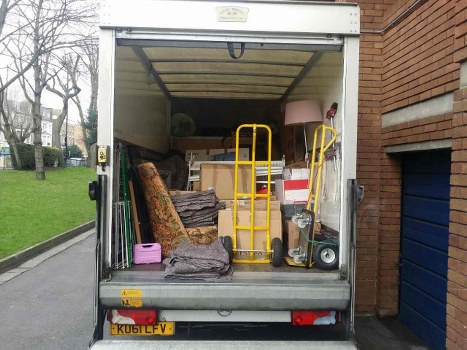
Different item types often need different treatment even when they leave the same premises. A box of archived paper, a stack of cardboard packaging, a broken cabinet and a redundant appliance all count as waste, but they are not identical in how they should be handled. By grouping material sensibly before collection, businesses can make the work smoother and reduce the chance of avoidable delay. This is especially true when waste has built up gradually across several departments.
Where item types are mixed, we can still work through them in a controlled way and identify what should be removed together. The main issue is not whether the waste is large or small, but whether it has been described accurately enough for the collection to be organised properly. If your business mainly needs help with mixed non-hazardous waste, the simplest route is to set out the main item categories and ask for a quotation. That keeps the conversation practical and focused on the actual load.
Commercial waste in Baldock is easier to manage when the service is straightforward, the information is accurate and the collection fits the site. If you would like to move ahead, make a brief enquiry and request a quotation.