Health and Safety Policy for Commercial Waste Baldock Operations
 This Health and Safety Policy sets out how our organisation manages risks associated with commercial waste collection and rubbish removal operations in and around our service area. The document is written to be clear, practical and compliant with industry best practice while remaining accessible to staff, contractors and relevant stakeholders. It defines responsibilities, control measures and reporting procedures so that commercial waste handling is carried out safely and reliably. The aim is to prevent injury, protect health and safeguard property and the environment during all aspects of refuse and disposal activities.
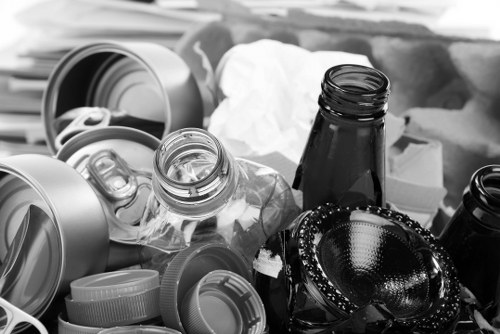
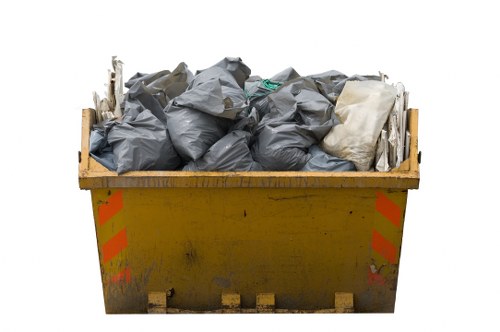
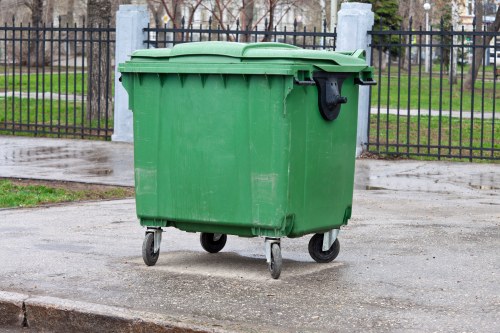
Scope: This policy applies to all employees, contractors and visitors involved in the delivery of commercial waste services in Baldock and adjacent service zones. It covers rubbish collection, transfer, storage and handling of commercial refuse, including skips, bin collections, compacting operations and vehicle movements. The policy recognises the variety of materials encountered in commercial waste operations and emphasises controlled procedures for segregating hazardous and non-hazardous waste types to reduce exposure and environmental risk.
 Management commitment: Senior management endorses this policy and will provide the necessary resources for safe work systems, training and equipment. Managers are responsible for ensuring that risk assessments are performed, control measures are implemented and monitored, and that incidents are investigated promptly. Employees have a duty to follow safe operating procedures and report hazards, near-misses and accidents without delay. Strong leadership, visible supervision and continuous improvement are central to maintaining safe commercial waste collection services.
Risk Assessment and Controls
Risk assessments are carried out for all waste management tasks, from site-based skip loading to vehicle compaction. Assessments identify hazards such as manual handling, vehicle interactions, sharps and chemical contamination, slips/trips/falls and fire risks. Risk controls follow the hierarchy of controls: elimination, substitution, engineering, administrative and personal protective equipment (PPE). For example, where possible, mechanical aids are used to reduce manual handling of heavy rubbish and segregated containers are used to limit exposure to hazardous materials.
 Safe systems of work include traffic management plans, designated loading zones, clear signage and permit-to-work arrangements for confined spaces or high-risk collections. Training and safe operating procedures are reinforced through toolbox talks and competency checks. The policy mandates the use of appropriate PPE such as gloves, hi-vis clothing, steel-toe footwear and respiratory protection where required, together with regular maintenance of lifting equipment and collection vehicles to ensure mechanical integrity.
Key controls and routine checks are documented in site-specific risk registers and operational checklists. Daily vehicle pre-start inspections, secure fastening of loads and correct container labelling are mandatory. Waste segregation protocols reduce cross-contamination and facilitate safe disposal. The company maintains incident response plans and provides spill kits, first aid provisions and emergency contacts at operational hubs.
Training, Competence and Communication
Training is a cornerstone of safe commercial refuse handling. All operatives receive induction training, task-specific instruction and periodic refresher courses covering manual handling, hazardous waste awareness, vehicle safety and emergency procedures. Competence is assessed through supervised practical observation and formal records are maintained. Contractors are required to demonstrate equivalent training and adherence to this health and safety policy when carrying out work on behalf of the company.
 Operational controls are supported by clear communication channels. Supervisors conduct pre-shift briefings to highlight daily hazards and control measures. Reporting lines are established for raising concerns and for verifying completion of safety-critical tasks. Safety notices, updated procedures and learning from incidents are shared promptly so that changes to rubbish collection routines are implemented consistently across teams.
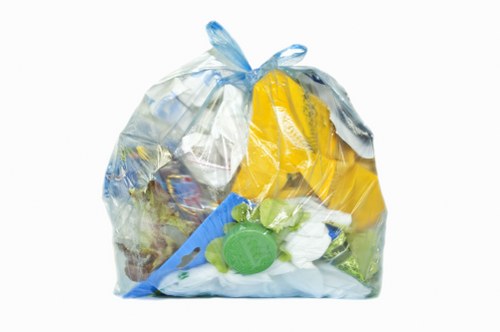 Monitoring and continuous improvement: Performance is monitored through audits, inspections and analysis of safety data. Incident investigations identify root causes and corrective actions, which are tracked to ensure closure. The policy encourages a culture of continuous improvement where staff at all levels contribute ideas to reduce risk and enhance the safety of commercial waste services. Periodic reviews ensure that the policy remains effective and aligned with regulatory expectations and industry standards.
Responsibilities and review: The company will review this Health and Safety Policy regularly and whenever significant changes to operations occur. Responsibilities are allocated to named roles within the organisation, ensuring accountability for implementation. This policy supports the delivery of safe, reliable and environmentally responsible commercial waste management and rubbish collection throughout the service area while protecting the wellbeing of employees, contractors and the public.
Core commitments include:
- Maintaining a safe working environment for commercial waste collection and disposal activities.
- Conducting comprehensive risk assessments and applying appropriate controls.
- Providing training, equipment and supervisory oversight to ensure competence.
- Promptly reporting, investigating and learning from incidents.
- Complying with legal obligations and striving for continual improvement in waste management safety.
End of policy statement.
